
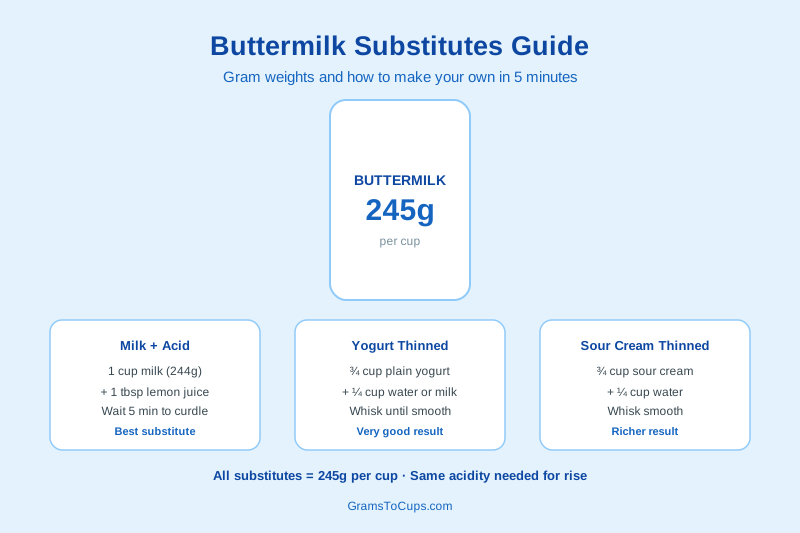
Buttermilk is a fermented dairy product with a distinctive tangy flavour and mild acidity. In baking, that acidity is what makes buttermilk recipes special: it reacts with baking soda to produce carbon dioxide, giving pancakes, muffins, cakes and quick breads their characteristic light, tender crumb. Understanding buttermilk's gram weight and how to substitute it opens up virtually any recipe that calls for it — even when you don't have buttermilk in your fridge.
What Is Buttermilk?
Traditional buttermilk was the liquid left over after churning cream into butter — slightly sour, low-fat and rich in lactic acid. Modern commercial buttermilk is cultured — pasteurised low-fat milk fermented with lactic acid bacteria to produce the characteristic tang and acidity. Both behave identically in baking.
Buttermilk Gram Weights
| Quantity | Weight (g) | Notes |
|---|---|---|
| 1 cup | 245g | Similar density to whole milk |
| ¾ cup | 184g | |
| ½ cup | 123g | |
| ¼ cup | 61g | |
| 1 tablespoon | 15.3g | Nearly same as water |
5 Buttermilk Substitutes with Exact Ratios
Each substitute produces 1 cup (245g equivalent) of buttermilk and provides the same acidity needed for leavening:
| Substitute | How to Make | Best Used For |
|---|---|---|
| Milk + lemon juice | 244g (1 cup) milk + 1 tbsp lemon juice. Stir and wait 5 min | All-purpose — closest match |
| Milk + white vinegar | 244g milk + 1 tbsp white wine vinegar. Wait 5 min | When no lemon available |
| Plain yogurt thinned | 185g (¾ cup) yogurt + 60ml (¼ cup) water or milk | Pancakes, cakes, muffins |
| Sour cream thinned | 185g sour cream + 60ml milk or water | Richer baked goods |
| Kefir | Use 1:1 — same weight | Direct swap, great flavour |
The lemon juice or vinegar method works because the acid curdles the milk proteins slightly — you'll see it become lumpy. That curdling is exactly what gives buttermilk recipes their tender texture. Don't worry if it looks curdled — it's supposed to.
Why Buttermilk Makes Baked Goods More Tender
Buttermilk's lactic acid weakens gluten strands in flour, preventing the development of a tough, chewy structure. This is why buttermilk pancakes are fluffier than regular ones, and buttermilk biscuits are more tender than those made with whole milk. The same principle applies to buttermilk cake, red velvet cake (which traditionally uses buttermilk to activate cocoa's flavour and react with baking soda) and fried chicken buttermilk marinades.
The baking soda reaction is equally important. Baking soda (sodium bicarbonate) is alkaline — it needs an acid to activate. Buttermilk provides that acid, and when they meet in the batter, the resulting CO₂ bubbles are the primary source of rise in many quick breads. For more on this reaction, see our baking powder vs baking soda guide.
Non-Dairy Buttermilk Substitutes
For dairy-free baking, the same acid-plus-liquid principle works with plant milks:
- Oat milk + lemon juice: 244ml oat milk + 1 tbsp lemon juice. Wait 5 min. Slightly thinner.
- Soy milk + vinegar: 244ml soy milk + 1 tbsp apple cider vinegar. Soy milk curdles most convincingly of any plant milk.
- Coconut milk (thin) + lemon juice: works but adds coconut flavour.
- Almond milk: curdles less visibly but still provides acidity for leavening.
Use our liquid measuring guide to measure any buttermilk or substitute correctly.
Frequently Asked Questions
How many grams is 1 cup of buttermilk?
One cup of buttermilk weighs approximately 245 grams. This is almost identical to whole milk (244g per cup) because buttermilk is primarily water and milk solids. The density difference between full-fat and low-fat buttermilk is negligible for baking purposes.
Can I use regular milk instead of buttermilk?
Not directly — plain milk lacks buttermilk's acidity, which is needed to activate baking soda and tenderise gluten. However, homemade buttermilk (milk + 1 tbsp lemon juice or vinegar) works perfectly. If you use regular milk without the acid component, also replace baking soda with baking powder (which is self-activating) at 3 times the quantity.
Can I freeze buttermilk?
Yes — buttermilk freezes well for up to 3 months. Freeze in ice cube trays (approximately 15g per cube = 1 tablespoon), then transfer cubes to a freezer bag. Defrost overnight in the refrigerator or in warm water. The texture may separate slightly after freezing — shake or whisk before using. Frozen-and-thawed buttermilk works just as well as fresh in baking.
What's the difference between buttermilk and sour cream in baking?
Both are cultured dairy products with similar acidity, but different fat content and consistency. Buttermilk is liquid (1–2% fat); sour cream is thick (18–20% fat). In baking, buttermilk adds more moisture and less fat; sour cream adds richness and density. They can be substituted (thin sour cream with water to make it pourable), but the result will be richer with sour cream. See our sour cream weight guide for more details.
Does the substitute buttermilk taste different in baked goods?
In finished baked goods, no noticeable difference in most recipes. The tang of buttermilk is mild even when using real buttermilk — it bakes off substantially during cooking. The functional role (acidity for leavening, tenderising for texture) is perfectly replicated by the milk + acid method. The only recipes where the flavour difference might be noticeable are those using very large quantities of buttermilk with minimal cooking, such as a buttermilk panna cotta.
How long does homemade buttermilk substitute last?
Homemade buttermilk substitute (milk + acid) is best used immediately — within a few minutes of making it. It does not have the cultured bacteria of real buttermilk and will not last as long in the refrigerator. If you have leftover made substitute, use it within 24 hours. Real commercial buttermilk lasts 1–2 weeks after opening when refrigerated.