
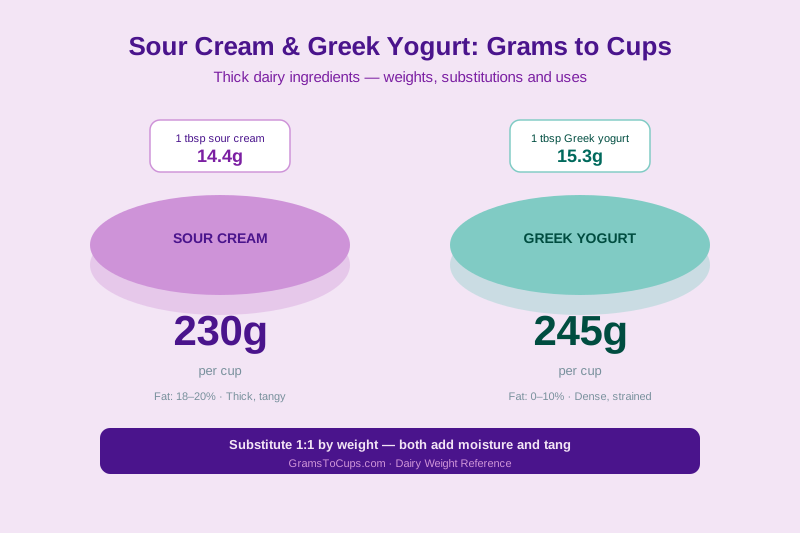
Sour cream and Greek yogurt are two of the most versatile thick dairy ingredients in baking and cooking. Both are fermented, both are acidic, and both add moisture, tang and tenderness to baked goods. Yet they have meaningfully different fat contents and consistencies, which makes their weights per cup slightly different and their behaviour in recipes subtly distinct.
Gram Weights: Sour Cream vs Greek Yogurt
| Quantity | Sour Cream (g) | Greek Yogurt (g) | Regular Yogurt (g) |
|---|---|---|---|
| 1 cup | 230g | 245g | 245g |
| ¾ cup | 173g | 184g | 184g |
| ½ cup | 115g | 123g | 123g |
| ¼ cup | 58g | 61g | 61g |
| 1 tablespoon | 14.4g | 15.3g | 15.3g |
| 1 teaspoon | 4.8g | 5.1g | 5.1g |
Fat Content and How It Affects Baking
The key difference between sour cream and Greek yogurt is fat content:
- Sour cream: 18–20% fat. Richer, creamier, denser. Adds significant fat to baked goods, making them more tender and moist.
- Full-fat Greek yogurt: 5–10% fat. Tangy, protein-rich, slightly lighter result.
- 0% fat Greek yogurt: virtually no fat. Adds moisture and tang but not richness. Produces slightly drier, more protein-forward baked goods.
In baking, higher fat content means more tender crumb. Sour cream produces a slightly richer, more moist result than Greek yogurt. The difference is subtle in most recipes — most bakers would not identify which was used in a blind taste test of a standard cake or muffin.
How to Substitute Between Sour Cream and Greek Yogurt
Substitute at a 1:1 ratio by weight in most recipes. A few notes:
- For sauces and dips: Greek yogurt can curdle if heated above 80°C. Sour cream is slightly more heat-stable. Add both to sauces off the heat.
- For baked goods: use full-fat Greek yogurt as the best substitute for sour cream. Non-fat Greek yogurt works but produces a slightly less rich result.
- For cheesecake: sour cream creates a slightly denser, creamier texture; Greek yogurt gives a tangier, lighter result.
When substituting Greek yogurt for sour cream in a sauce, whisk 1 teaspoon of cornstarch into the yogurt before adding it to help stabilise it at higher temperatures.
Sour Cream in Baking: What It Does
Sour cream in baking performs several functions simultaneously. Its fat content tenderises gluten, its acidity activates baking soda (providing extra rise), and its water content keeps baked goods moist longer than recipes using less liquid fat. Classic sour cream applications include coffee cake, bundt cake, pound cake, cheesecake filling, and chocolate cake.
Greek Yogurt in Baking: What It Does
Greek yogurt adds similar moisture and tang as sour cream but with more protein and less fat. Its higher protein content can make baked goods slightly chewier. It works especially well in muffins, banana bread, yogurt cake, and as a partial substitute for butter or oil (replace up to half the fat with equal weight Greek yogurt for a lighter result without sacrificing moisture). See our oil substitution guide for fat-reduction baking tips.
Frequently Asked Questions
How many grams is 1 cup of sour cream?
One cup of full-fat sour cream weighs approximately 230 grams. Light sour cream weighs slightly less at around 225g per cup due to its lower fat content. For precision, always weigh sour cream rather than measuring by cup — its thick consistency makes it difficult to level accurately in a measuring cup.
Can I use Greek yogurt instead of sour cream in cake?
Yes — substitute 1:1 by weight. Full-fat Greek yogurt is the best substitute, producing a very similar texture. Non-fat Greek yogurt works but may make the cake slightly less rich. The tang of both is similar, so the flavour profile will not change noticeably. This is a popular substitution for reducing fat content in baked goods.
What is the difference between Greek yogurt and regular yogurt for baking?
Greek yogurt is strained regular yogurt — the whey (liquid) has been removed, making it thicker, higher in protein and lower in sugar. In baking, Greek yogurt behaves more like sour cream, while regular yogurt is thinner and adds more liquid to the recipe. If substituting regular yogurt for Greek yogurt, strain it through a cheesecloth for 1 hour to remove excess whey, or reduce other liquids in the recipe by 2–3 tablespoons per cup of yogurt used.
Does sour cream or Greek yogurt make a better cheesecake?
Both are used in cheesecake — they serve different purposes. Sour cream is often mixed into the main filling for richness, or spread on top as a traditional finish for New York cheesecake. Greek yogurt produces a tangier, lighter-textured cheesecake. For a traditional dense New York-style cheesecake, use sour cream. For a lighter, tangier result, substitute full-fat Greek yogurt at the same weight.
Can sour cream be frozen for later use in baking?
Technically yes, but with caveats. Frozen sour cream separates and becomes grainy when thawed — the texture is completely different from fresh. It is not suitable for dips, sauces or toppings after freezing. However, in baked goods (cakes, muffins, breads) where it's mixed into the batter, the texture difference doesn't matter — the baked result will be identical. Freeze sour cream in measured portions (by weight) for baking use only.
Is 0% fat Greek yogurt the same as regular yogurt?
No — despite having the same fat content, 0% Greek yogurt is still strained and therefore thicker, higher in protein and lower in lactose than regular non-fat yogurt. In baking, 0% Greek yogurt performs similarly to full-fat Greek yogurt for moisture, tang and leavening. The main difference is less richness in the final product. Regular non-fat yogurt is much thinner and adds significantly more liquid to recipes.