
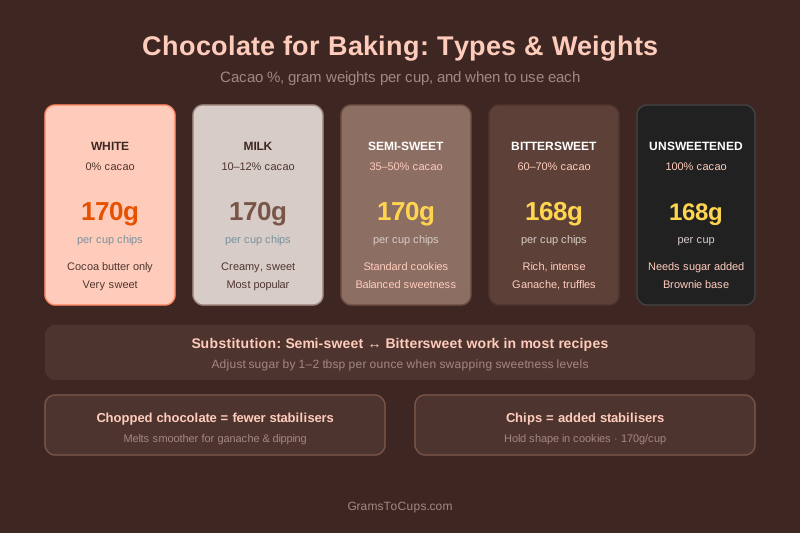
Choosing the right chocolate for baking is not just about personal taste — it directly affects the sweetness, texture, melting behaviour and final appearance of your recipe. A recipe for "chocolate cake" tested with 70% dark chocolate will taste completely different if made with milk chocolate chips. Understanding the different types, their cacao percentages and how they behave in heat gives you control over your results.
Chocolate Types and Cacao Percentages
The cacao percentage tells you how much of the chocolate bar consists of cocoa solids plus cocoa butter. The remaining percentage is sugar, milk solids and other additives. Higher percentage = more intense chocolate flavour and less sweetness.
| Type | Cacao % | Chips: 1 Cup (g) | Chopped: 1 Cup (g) | Sweetness |
|---|---|---|---|---|
| White chocolate | 0% (cocoa butter only) | 170g | 175g | Very sweet |
| Milk chocolate | 10–12% | 170g | 173g | Sweet, creamy |
| Semi-sweet chocolate | 35–55% | 170g | 173g | Balanced |
| Bittersweet chocolate | 60–80% | 168g | 170g | Rich, low sugar |
| Unsweetened chocolate | 100% | — | 168g | None (pure cocoa) |
| Cocoa powder (Dutch) | ~100% | — | 82g/cup (loose) | None |
Chips vs Chopped Chocolate: Which to Use?
Chocolate chips contain added stabilisers (usually polyglycerol polyricinoleate) that help them hold their shape during baking — this is why chips don't fully melt into cookies. This same property makes chips a poor choice for ganache, melting and dipping, where you want smooth, fluid chocolate.
Chopped chocolate from a bar (baking chocolate, couverture or a quality eating bar) has no stabilisers and melts completely smooth. Use chopped chocolate for: ganache, mousse, melted chocolate drizzle, dipped strawberries, tempering, and any application where you want a glossy, smooth chocolate texture. See our chocolate chips measurement guide for exact chip weights.
Can I Substitute Between Chocolate Types?
Semi-sweet and bittersweet are the most interchangeable types — use the same weight but adjust sugar:
- Replace bittersweet with semi-sweet: reduce sugar in recipe by 1 tablespoon per 30g of chocolate
- Replace semi-sweet with bittersweet: add 1 tablespoon sugar per 30g of chocolate
- Replace unsweetened with semi-sweet: use 28g semi-sweet + remove 3.5 tbsp sugar per 28g unsweetened called for
- Replace milk chocolate with semi-sweet: direct 1:1 by weight; result will be slightly less sweet
Never substitute white chocolate for dark chocolate or vice versa in structural applications. White chocolate contains no cocoa solids — its flavour and melting behaviour are fundamentally different from any cacao-containing chocolate.
Melting Chocolate: Temperature and Technique
All chocolate can be melted, but the process requires gentle heat. Chocolate scorches above 49°C (120°F) — it will seize into a grainy, unworkable mass. Methods:
- Double boiler: bowl over barely simmering water. Most controlled method.
- Microwave: 50% power in 30-second bursts, stirring between each. Stop when mostly melted and stir to finish.
- Oven method: place chopped chocolate in an oven-proof bowl in a 50°C (120°F) oven for 20 minutes.
Even one drop of water can cause melted chocolate to seize — ensure all bowls and utensils are completely dry. Use our tablespoon to grams guide for measuring small quantities of cocoa and chocolate.
Frequently Asked Questions
How many grams is 1 cup of chocolate chips?
One cup of standard chocolate chips (semi-sweet, milk or white) weighs approximately 170 grams. Mini chips and larger chunks pack slightly differently, but 168–172g is accurate for all standard sizes. For precision in baking, weigh chips rather than measuring by cup — especially for ganache or when doubling a recipe.
What does cacao percentage mean on chocolate?
The cacao percentage is the proportion of the bar that comes from the cocoa bean — including both cocoa solids (which provide flavour) and cocoa butter (which provides smoothness). A 70% bar contains 70% cacao-derived ingredients and 30% sugar (plus minor additives). Higher percentage means more intense flavour, less sweetness, and a slightly more bitter taste. Recipe developers specify percentages when the exact sweetness level matters to the outcome.
Can I use cocoa powder instead of unsweetened chocolate?
Yes — substitute 3 tablespoons (18g) cocoa powder + 1 tablespoon (14g) butter or oil for every 28g (1 oz) of unsweetened chocolate. The cocoa powder provides the cocoa solids; the fat replaces cocoa butter. This substitution works well in brownies, cakes and cookies but may not work for moulded chocolate applications where cocoa butter's specific melting properties matter.
Is bittersweet the same as dark chocolate?
"Dark chocolate" is a broad term — it includes both semi-sweet and bittersweet. Specifically: semi-sweet is 35–55% cacao (sweeter dark), bittersweet is 60–80% cacao (less sweet, more intense). In US recipes, "dark chocolate" most commonly means semi-sweet. In UK and European recipes, "dark chocolate" usually means 55–70%. When a recipe doesn't specify the percentage, 70% bittersweet is a reliable, versatile choice.
Why did my melted chocolate turn grainy and thick?
Your chocolate seized — caused by either water contact or overheating. Even a tiny drop of water causes the sugar particles to dissolve and stick together, forming a thick paste. If it seized from water: paradoxically, add more water (1 tablespoon at a time) and stir — enough water will turn it back to a fluid state suitable for sauces, though not for tempering. If overheated: there is no recovery — start fresh and use lower, gentler heat.
What is couverture chocolate and should I use it for baking?
Couverture chocolate contains a higher proportion of cocoa butter (31–38%) than standard baking chocolate, making it exceptionally fluid when melted and giving it a distinctive glossy snap when set. It's the professional choice for dipping, enrobing, moulded chocolates and tempering. For everyday baking (cookies, brownies, ganache), couverture is superior but expensive — a good-quality baking bar or even quality supermarket chocolate gives excellent results for most home recipes.