
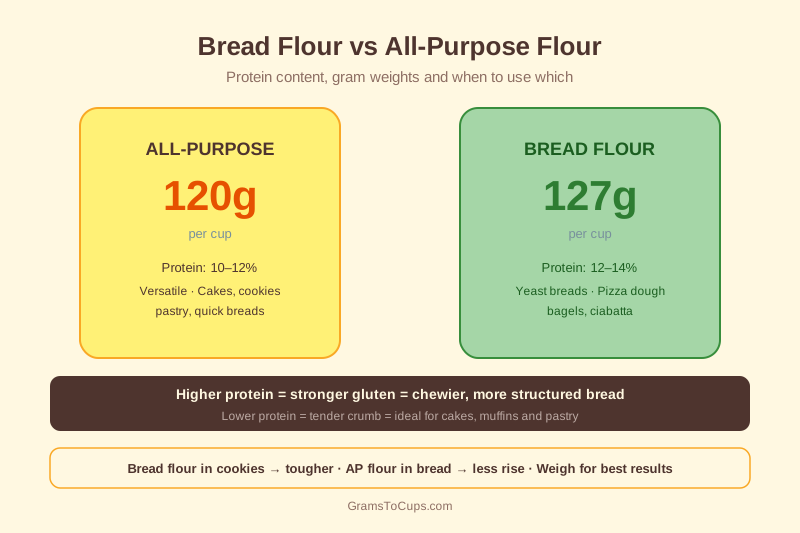
Flour is flour — until it isn't. The difference between bread flour and all-purpose flour seems subtle on paper (a few percentage points of protein), but in the bowl and oven, it's the difference between a chewy artisan loaf and a crumbly sandwich bread, between a tender cake and a rubbery one. Understanding protein content is the key to using the right flour every time.
The Core Difference: Protein Content
Wheat flour contains proteins — primarily glutenin and gliadin. When mixed with water and kneaded, these proteins link together to form gluten — an elastic, stretchy network that traps gas bubbles and gives baked goods their structure and chew. More protein = stronger gluten = more chew and structure.
- Cake flour: 7–9% protein → very tender, fine crumb, minimum gluten
- Pastry flour: 8–10% protein → tender with slightly more structure
- All-purpose flour: 10–12% protein → versatile, medium structure
- Bread flour: 12–14% protein → strong gluten, chewy texture, maximum rise
- High-gluten / strong flour: 14–16% protein → used for bagels, pizza, some artisan breads
Gram Weights Per Cup
| Flour Type | 1 Cup (g) | ½ Cup (g) | ¼ Cup (g) | 1 Tbsp (g) |
|---|---|---|---|---|
| Cake flour | 114g | 57g | 29g | 7.1g |
| Pastry flour | 116g | 58g | 29g | 7.3g |
| All-purpose flour | 120g | 60g | 30g | 7.5g |
| Bread flour | 127g | 64g | 32g | 7.9g |
| Whole wheat flour | 120g | 60g | 30g | 7.5g |
| Semolina flour | 167g | 84g | 42g | 10.4g |
The 7g per cup weight difference between all-purpose and bread flour seems small. In a recipe using 4 cups of flour, it's 28g — about ¼ cup's worth of flour. Always weigh your flour for bread recipes. See our flour gram converter.
When to Use Bread Flour
Use bread flour whenever you need strong gluten development and a chewy, structured crumb:
- Yeast breads (white sandwich bread, sourdough, focaccia)
- Pizza dough (especially Neapolitan and New York style)
- Bagels (very high protein creates the distinctive dense chew)
- Soft pretzels
- Croissants and laminated doughs (strong gluten holds the butter layers)
- English muffins
When to Use All-Purpose Flour
All-purpose flour is the workhorse of home baking — it performs acceptably across a wide range of applications:
- Cakes (produces a slightly denser crumb than cake flour but perfectly acceptable)
- Cookies, brownies, bars
- Quick breads (banana bread, zucchini bread, muffins)
- Pancakes and waffles
- Pastry and pie crust
- Thickening sauces (roux, bechamel)
Can I Substitute One for the Other?
Yes, with caveats. Use bread flour in a cake or cookie recipe → the result will be slightly tougher and chewier. Use all-purpose flour in a bread recipe → the loaf will have slightly less rise and a less chewy crumb, but will still be recognisably bread. For most home bakers, the substitution works fine in the same weight. For professional results, use the specified flour. Use our flour types guide for more detail.
Frequently Asked Questions
Can I use all-purpose flour instead of bread flour?
Yes — substitute at the same weight (127g bread flour = 127g all-purpose flour). The result will have slightly less rise and a less chewy texture, because all-purpose flour's lower protein content produces weaker gluten. For everyday sandwich bread and pizza dough, the difference is minimal. For artisan breads, bagels and recipes where chew is a primary characteristic, bread flour makes a noticeable difference.
What happens if I use bread flour in cookies?
Cookies made with bread flour are chewier and slightly tougher than those made with all-purpose flour. Some bakers actually prefer bread flour in chocolate chip cookies specifically for this reason — it creates a distinctly chewy, bakery-style texture. The extra protein also slightly increases spread. For crispy, delicate or shortbread-style cookies, stick with all-purpose or pastry flour.
How much does 1 cup of bread flour weigh?
One cup of bread flour (spooned into the cup and levelled) weighs approximately 127 grams. This is about 7g more per cup than all-purpose flour (120g), because bread flour has a slightly higher density. In bread recipes especially, weigh your flour rather than measuring by cup — even small variations in flour quantity affect the hydration of your dough.
Does self-raising flour have the same protein as all-purpose?
Self-raising flour (self-rising in the US) is typically made from lower-protein flour (8–9%, similar to pastry flour) with baking powder and salt already added. It is not a substitute for all-purpose flour in recipes that use baking powder separately, because the leavening amount is already fixed. If you substitute self-raising for all-purpose, omit any baking powder in the recipe (use approximately ⅓ of the quantity already in the self-raising flour as your guide).
Is strong flour the same as bread flour?
Yes — "strong flour" (UK) and "bread flour" (US) are the same product: wheat flour milled from hard wheat with 12–14% protein content. The naming convention differs by country. In Canada, "all-purpose flour" is already higher in protein (11–13%) than US all-purpose — Canadian AP flour is closer to US bread flour and works excellently in bread recipes.
Why does bread flour absorb more water?
Bread flour absorbs more water because of its higher protein content — proteins are hydrophilic (water-loving) and bind water molecules as gluten develops. This means bread flour doughs feel stiffer at the same hydration level as all-purpose doughs. If you substitute bread flour for all-purpose in a bread recipe, you may need to add 1–2 tablespoons more water to achieve the same dough consistency.